Crane Operator Training in Gulf Countries – Course, Requirements, Fees & Career Opportunities
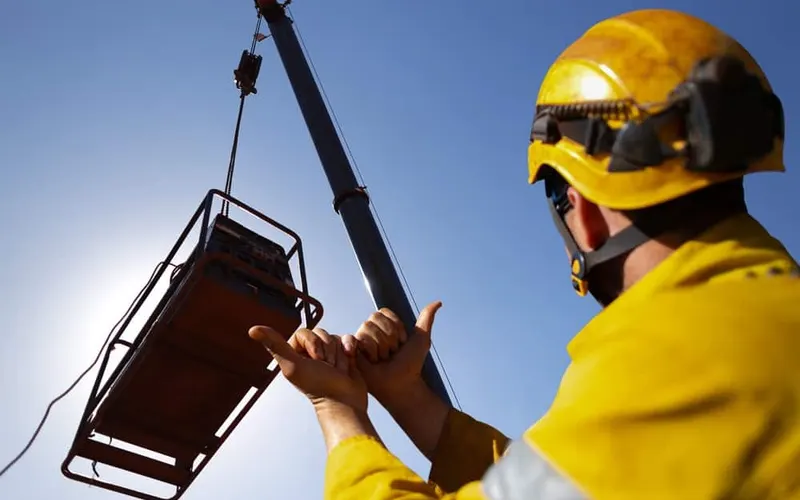
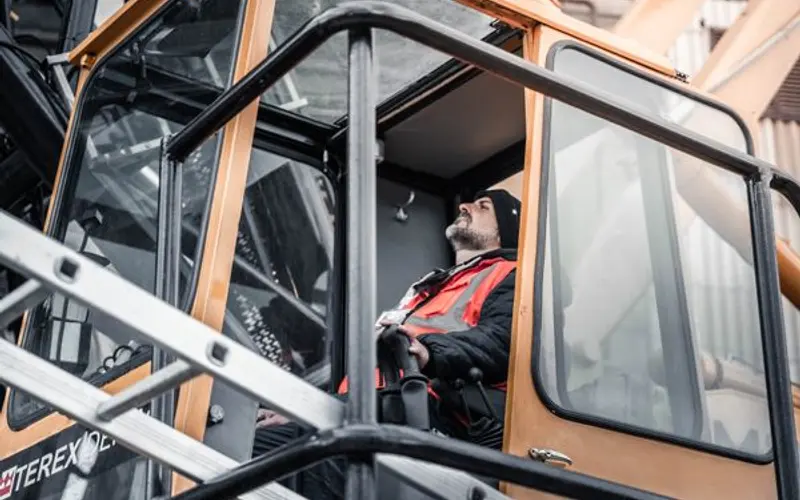
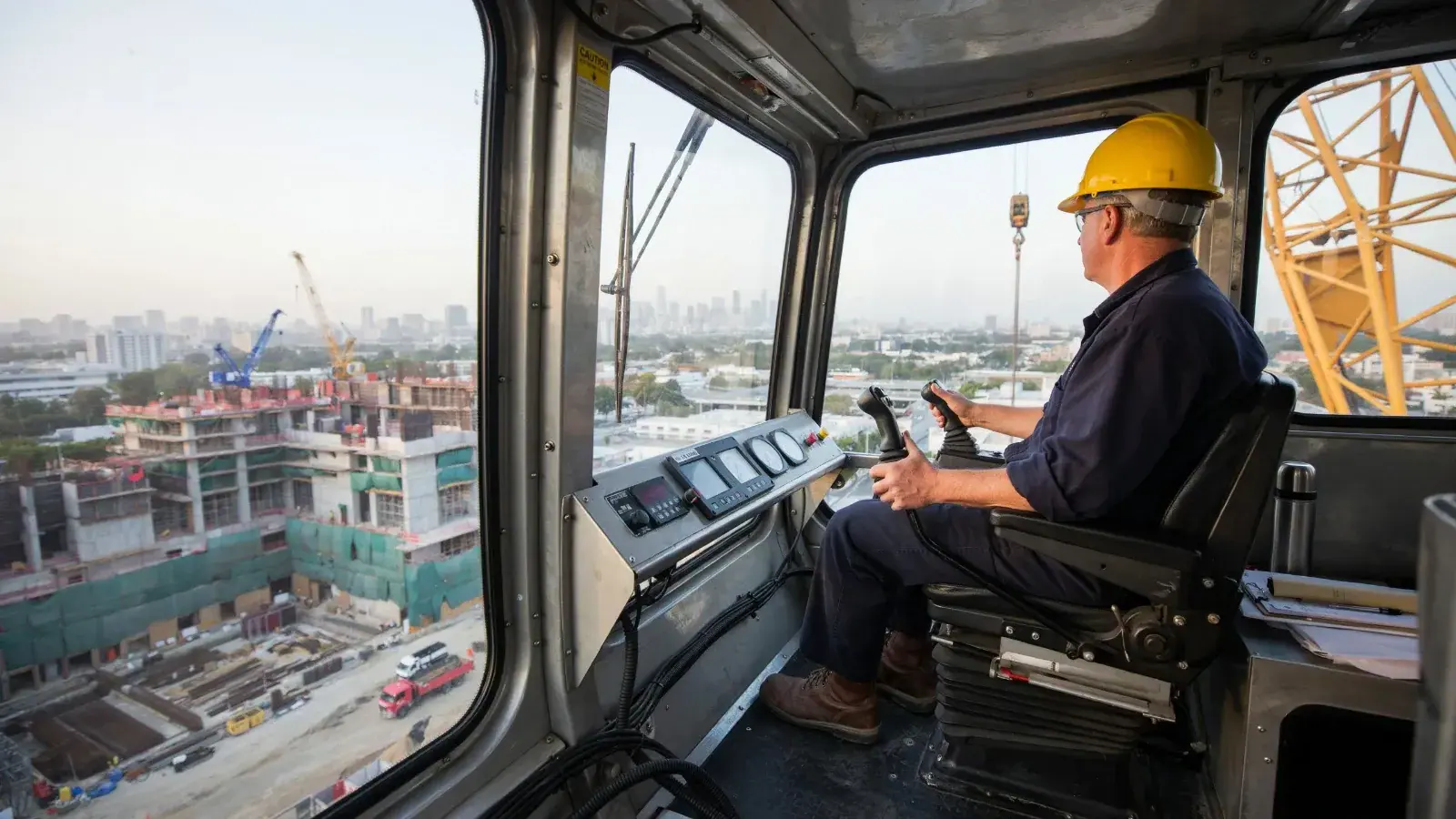
A Crane Operator plays an important role in construction, manufacturing, logistics, and industrial projects across Gulf countries. This skilled professional operates heavy machinery to lift, move, and position materials safely. From moving steel structures at construction sites in Saudi Arabia to handling containers in UAE shipping yards, crane operators support many essential operations throughout the Gulf region.
However, operating a crane requires more than controlling levers and buttons. It demands technical knowledge, practical experience, good communication, and a strong understanding of workplace safety. Proper training helps learners understand crane components, load handling, equipment inspection, and safe operating procedures. With the right skills and training, individuals can prepare for career opportunities in Saudi Arabia, UAE, Qatar, Oman, Kuwait, Bahrain, and other international markets.
What Is Crane Operator Training?
Crane operator training is a learning program that prepares people to operate cranes safely and correctly. It combines theoretical training with supervised practical lessons. Students learn how cranes work, how to understand their operating limits, and how to move loads safely. They also study equipment checks, communication methods, and workplace responsibilities. A good training program develops the knowledge needed before a learner begins operating heavy lifting equipment.
What Is a Crane Operator?
A crane operator is a trained worker who controls a crane to lift and move materials. The job may involve steel structures, construction materials, containers, machinery, or other heavy loads. Operators follow lifting instructions and communicate with riggers and signal persons. They must also understand the machine's limits and stop work when conditions become unsafe.
Roles and Responsibilities of a Crane Operator
A crane operator checks the equipment before use and follows the manufacturer's instructions. They review the lifting plan, confirm load information, and coordinate with the ground team. They must understand signals and maintain clear communication during every lift. Their responsibilities also include reporting defects, following site rules, and completing required records.
Importance of Professional Crane Operator Training
Professional training helps learners understand how equipment behaves under different working conditions. It teaches them to recognize hazards, read load charts, and follow safe operating methods. Crane operation training also builds confidence through supervised practice. This preparation is important because poor decisions during lifting work can cause serious injuries, equipment damage, and project delays.
Difference Between Crane Operator Training and Crane Operator Certification
Training and certification are related, but they are not the same. Training develops knowledge and practical ability. Certification is a formal recognition issued after meeting the requirements of a particular assessment or certification system. A course completion certificate may show that someone attended training. It does not automatically prove that the person holds a separate professional operator certification.
2. Types of Crane Operator Training Courses in Gulf Countries
Different industries use different cranes. Each machine has its own structure, controls, lifting capacity, and operating environment. Therefore, Crane Operator Training in Gulf Countries should match the type of equipment a learner wants to operate. Students should check which crane types are included in the course and whether practical access is available. The course title alone does not confirm that every machine will be covered.
The main categories include mobile, tower, overhead, and crawler cranes. These machines support different tasks in the building and construction sector, the logistics industry, factories, ports, oil and gas facilities, and energy projects. Understanding these differences helps learners choose suitable training. It also helps employers identify workers with relevant equipment knowledge.
| Crane Type | Main Use | Typical Working Environment |
|---|---|---|
| Mobile crane | Lifting and moving loads between locations | Construction sites and industrial projects |
| Tower crane | Lifting materials to height | High-rise buildings and large construction sites |
| Overhead crane | Moving loads across a fixed working area | Factories, workshops, and warehouses |
| Crawler crane | Heavy lifting on tracks | Large infrastructure and industrial projects |
Mobile Crane Operator Training
A Mobile crane is mounted on a wheeled vehicle or carrier. It can travel between work locations and is used for many lifting tasks. Training introduces the boom, outriggers, counterweights, lifting capacity, and operating controls. Learners should understand ground conditions and setup requirements before lifting. Practical instruction should use the relevant machine under suitable supervision.
Tower Crane Operator Training
A Tower crane is commonly used on tall buildings and major construction projects across cities such as Dubai, Riyadh, Doha, and other growing urban areas. Its height and long horizontal jib allow it to move materials across a wide working area. Training covers the crane structure, lifting mechanisms, operating controls, communication, and safe load movement. Learners also need to understand site restrictions and the importance of following an approved lifting plan.
Overhead and Gantry Crane Operator Training
An Overhead cranemoves loads along a fixed runway, usually inside an industrial building. A gantry crane performs a similar lifting function but is supported by a structure that can travel along rails or wheels. These cranes are common in warehouses, workshops, and the manufacturing industry throughout Gulf industrial zones. Training should cover hoists, hooks, controls, load movement, and workplace safety.
Crawler Crane Operator Training
A Crawler crane moves on tracks rather than standard road wheels. It is used for heavy lifting on large construction and industrial sites. Its setup requires attention to ground conditions, stability, lifting radius, and machine configuration. Training should explain the equipment's operating limits and the importance of following the manufacturer's instructions during lifting operations.
Other Specialized Crane Training
Some workplaces use truck-mounted cranes, rough-terrain cranes, and other specialized machines. Their design and operating conditions can differ significantly. A learner should ask whether a course includes the specific crane type required by an employer in Saudi Arabia, UAE, Qatar, Oman, Kuwait, or Bahrain. General classroom knowledge is useful, but machine-specific practical experience remains important for safe operation.
3. Crane Operator Course Outline and Training Content
A complete Crane Operator Course should cover the equipment, operating methods, safety, inspection, and practical assessment. The training curriculum should connect classroom lessons with real operating tasks. Students need to understand why a procedure matters, not simply memorize its name. A course should also explain the limits of each crane type and the responsibilities of the operator.
The exact subjects depend on the training provider and qualification. Learners planning to work in Gulf countries should check whether the course content meets the expectations of their intended employer and the relevant workplace requirements. They should also confirm the current assessment and certification arrangements before enrolling.
Introduction to Crane Components and Working Principles
Students begin by learning the main crane components and their functions. These may include the boom, jib, hook, wire rope, winch, hoist, counterweight, controls, and safety devices. They learn how lifting and lowering systems work and why each component needs inspection. This knowledge helps learners understand the machine before attempting practical operation.
Crane Controls and Operating Procedures
This module introduces the controls used to move and position a load. Learners study the manufacturer's instructions and the correct operating sequence. They also learn how to respond to signals and communicate with the ground team. Safe operational procedures help prevent sudden movements, incorrect positioning, and confusion during lifting work.
Load Charts and Lifting Capacity
A load chart explains the lifting capacity of a crane under specific conditions. Capacity can change with the working radius, boom length, configuration, and other factors. Operators must use the correct chart for the machine and setup. They should never guess a load's weight or assume that a crane can lift the same amount at every radius.
Rigging, Lifting and Load Handling Basics
Crane operators work closely with riggers and signal persons. They need a basic understanding of lifting accessories, slings, shackles, hooks, and load balance. Load handling requires clear communication and a suitable lifting plan. The operator must follow instructions from the designated signal person and avoid moving a load when its path is unclear.
Practical Crane Operation Training
Practical crane training allows learners to connect classroom knowledge with real equipment. Under suitable supervision, students may practise equipment familiarization, control movements, setup checks, and basic lifting tasks. Hands-on training should match the crane type being taught. Before enrolling, learners should ask which machines are available and how much supervised practice the course includes.
Theory Test and Practical Assessment
Assessment checks whether learners understand the course and can apply its procedures. A theory test may cover equipment, safety, load charts, and operating rules. A practical assessment may examine control, maneuvering, inspection, and safe shutdown skills. The exact assessment method depends on the qualification or certification body.
4. Crane Operator Safety Training and Procedures
Safety is a central part of professional crane training. A crane may lift loads weighing several tonnes, so a small error can have serious consequences. Crane safety procedures help operators identify hazards and follow a planned method of work. They must understand the equipment, the load, the ground, and nearby activities before starting a lift.
Good workplace safety depends on more than the operator. Supervisors, riggers, signal persons, maintenance teams, and site managers all have responsibilities. Safety regulations and site procedures help define those responsibilities. Effective accident prevention requires communication, suitable equipment, proper planning, and the willingness to stop work when conditions change.
Crane Safety Rules and Regulations
Operators must follow the manufacturer's instructions, site lifting procedures, and applicable safety rules. Requirements may differ between Saudi Arabia, UAE, Qatar, Oman, Kuwait, and Bahrain. Employers may also have additional requirements based on the industry, project, and equipment being used.
A training provider should explain which rules apply to the course and the intended work environment. Learners should not assume that one certificate or set of rules automatically applies in every Gulf country. They should confirm the requirements with the prospective employer and relevant local authorities.
Pre-Operation Crane Inspection and Maintenance
A pre-use crane inspection helps identify visible defects before the equipment is operated. Checks may include hooks, wire ropes, brakes, hydraulic systems, tires or tracks, controls, and safety devices. Operators should report defects and follow the inspection process required by the employer. They should not use equipment that has been declared unsafe.
Risk Assessment and Hazard Identification
Before a lift, the team should consider ground strength, nearby structures, overhead power lines, weather, access routes, and people working nearby. In Gulf countries, high temperatures, dust, sand, and changing weather conditions may also affect equipment and site operations. The lifting plan should address the hazards that apply to the task. Operators must understand how site conditions affect stability and safe working limits. If the conditions are unsuitable, the lift should not proceed.
Safe Lifting Practices and Load Management
Safe lifting begins with knowing the load weight and checking the crane's capacity for the planned configuration. The team must agree on communication signals and keep people away from hazardous areas. Loads should be moved in a controlled way. Operators must follow the lifting plan and avoid sudden movements or unauthorized changes.
Emergency Procedures and Accident Prevention
Operators should know how to respond when equipment develops a fault or a lift becomes unsafe. They must understand site alarms, communication channels, and reporting procedures. Emergency arrangements should be explained before work begins. Regular training and clear responsibilities help teams respond calmly and reduce the chance of further harm.
OSHA and International Crane Safety Standards
OSHA is an important reference for crane safety in the United States. However, crane operators working in Gulf countries must follow the applicable local regulations, workplace safety requirements, and employer procedures.
For example, Saudi Arabia has occupational safety requirements overseen by relevant authorities, while UAE employers must consider applicable federal and emirate-level requirements. Qatar, Oman, Kuwait, and Bahrain also have their own workplace safety frameworks. International standards and recognized training systems may provide useful guidance, but their acceptance depends on the employer, project, and local regulatory requirements.
A training certificate obtained in Pakistan or another country does not automatically authorize someone to operate every crane in the Gulf region. Employers must check the relevant local requirements, operator competence, certification, and site-specific evaluation before allowing equipment operation.
5. Crane Operator Course Requirements and Eligibility
Course eligibility depends on the training provider, course level, and qualification framework. Some programs are designed for beginners, while others may expect previous work experience. Before admission, learners should ask about age, education, language, medical fitness, and assessment conditions. These details should be confirmed directly because requirements can differ between programs and Gulf employers.
A learner also needs a serious approach to safety and practical learning.Hand-eye coordination, attention, communication, and sound judgment are important for crane work. Physical fitness may be relevant to certain job duties, although operators do not perform the same physical tasks as every other construction worker. Employers may also apply role-specific medical requirements and vision standards.
Educational Requirements
Many training programs expect learners to understand basic written instructions, numbers, and safety information. Some qualifications may set a formal education requirement, while others may assess practical competence. Applicants should check the course admission criteria before registering. They should also make sure they can understand equipment manuals, load information, and workplace instructions.
Age and Work Experience Requirements
Some programs and employers set a minimum age. Work experience may also be required for particular assessments or job vacancies. Beginners should ask whether they can enrol without previous crane experience. Experienced workers should provide accurate details of their previous equipment and duties because experience on one crane does not necessarily qualify them to operate another type.
Physical Fitness and Medical Requirements
Crane operation requires alertness, clear communication, and the ability to respond to changing conditions. Employers may assess whether a person can safely perform the essential duties of the role. Medical and vision requirements depend on the applicable rules and employer policy in the relevant Gulf country. Applicants should obtain the actual criteria rather than rely on general statements.
Can Beginners Enroll in a Crane Operator Course?
Beginners may be able to start with an introductory course that explains equipment, controls, safety, and basic operating principles. Practical tasks should take place under appropriate supervision. A beginner should not operate a crane independently after only a short introduction. Competence develops through structured learning, assessment, and suitable experience.
Documents Required for Admission
Training providers commonly request identification and basic admission information. Some may also ask for photographs, education records, or evidence of previous work. The exact documents depend on the provider and the qualification. Applicants should request the current admission checklist before visiting the training centre or paying any fee.
6. Crane Operator Course Duration, Fees and Training Location in Gulf Countries
The duration and cost of a Crane Operator Course in Gulf Countries depend on its level, equipment type, practical hours, assessment, and certificate arrangements. A short introductory course may differ from a competency-based qualification. Learners should compare the actual course content rather than choosing only by the advertised duration or price.
Training fees can vary between private technical institutes, specialist training centres, and employer-sponsored programs. Some employers in Saudi Arabia, UAE, Qatar, Oman, Kuwait, and Bahrain may arrange job-specific training for their workers. Learners should confirm the course location, total fee, practical facilities, and certificate arrangements before enrolling.
How Long Does Crane Operator Training Take?
Training time depends on what the course covers and how much practice is included. Learners need time to understand equipment, study safety, practise under supervision, and complete assessments. A course that covers several crane types may have different requirements from one focused on a single machine. Always ask for the official schedule and practical-hour details.
Crane Operator Course Fees in Gulf Countries
Course fees may include instruction, practical sessions, learning materials, assessment, and certification. Some providers charge these items separately. Before enrolling, ask for a written fee breakdown and check whether the certificate is included. Do not assume that accommodation, transport, meals, or job placement services are part of the fee unless the provider confirms them.
Where Can You Get Crane Operator Training in Gulf Countries?
Training options may be available through public skills programs, private technical institutes, and specialist equipment training centres. Learners should check the location, course approval, equipment access, trainer experience, and assessment arrangements.
Those interested in working in Saudi Arabia, UAE, Qatar, Oman, Kuwait, or Bahrain should choose a training provider that offers relevant crane operation knowledge and practical exposure. For CDTTI, applicants should confirm the current training venue and whether the advertised crane training includes supervised practical access to the relevant machine.
Theory Classes, Practical Facilities and Training Schedule
Classroom sessions explain equipment, safety, load charts, and operating procedures. Practical sessions help learners understand how these principles apply to real tasks. A good provider should explain the planned balance between theory and practice. Ask whether practical work takes place on the actual crane type or through demonstrations and simulations.
What Is Included in the Course Fee?
The fee may cover tuition, training materials, practical instruction, assessment, and a course certificate. However, each provider sets its own package. Learners should confirm the certificate issuer, assessment charges, retake costs, and any additional expenses before making payment. A clear written breakdown helps prevent confusion later.
7. How to Become a Certified Crane Operator in Gulf Countries?
Becoming a crane operator involves more than attending a class. Learners need to understand the equipment, practise under supervision, demonstrate safe operating ability, and meet the requirements of the relevant qualification or employer. The right pathway depends on the crane type and the Gulf country where the person plans to work.
A suitable starting point is to choose a course that matches the intended job. Learners should then complete the required theory and practical training and pass the relevant assessment. They should check who issues the certificate and how it can be verified. This is especially important when planning for employment in Saudi Arabia, UAE, Qatar, Oman, Kuwait, or Bahrain.
Step 1 – Choose the Right Crane Operator Course
Start by identifying the equipment used in your target industry. A mobile crane course may suit a different role from tower crane or overhead crane training. Check the curriculum, practical facilities, trainer experience, and assessment method. The course should match the skills employers expect for the job you want.
Step 2 – Complete Theoretical and Practical Training
Complete the lessons on equipment, load charts, inspection, communication, and safety. Take part in the practical sessions available through the course. Ask questions when a procedure is unclear. Supervised practice helps learners develop correct habits and understand how operating conditions affect the crane.
Step 3 – Pass the Required Assessment
Assessment may include written questions, practical tasks, or both. Learners may need to show that they understand operating limits, inspection procedures, load information, and safe shutdown. The assessment must follow the requirements of the relevant qualification or certification scheme. A course attendance record alone should not be confused with a competency assessment.
Step 4 – Receive Your Training Certificate or Qualification
After meeting the course requirements, learners may receive a certificate or qualification from the stated issuing organization. Check the exact title, level, issuer, and verification process. Ask whether the document confirms attendance, successful assessment, or a formally recognized qualification. These distinctions matter when applying for jobs in Gulf countries.
Step 5 – Gain Experience and Apply for Crane Operator Jobs
Employers often look for relevant experience as well as training. New operators should seek suitable supervised opportunities and build experience with the equipment they are qualified to use. Keep records of training and assessments. Apply only for roles that match your current competence and the employer's requirements.
Can a Pakistani Crane Operator Certificate Be Used in Gulf Countries?
A Pakistani certificate may help demonstrate training, but it does not automatically authorize someone to operate every crane in Saudi Arabia, UAE, Qatar, Oman, Kuwait, or Bahrain. Employers may require additional assessments, practical evaluations, local approvals, or specific operator qualifications depending on the country, project, and equipment.
A person planning to work in the Gulf should check the requirements with the prospective employer and relevant local authorities. They may need additional written testing, practical testing, employer evaluation, or other qualifications. They should also check work authorization separately. A training certificate is not a work visa or a guarantee of employment.
8. Job Opportunities and Salary for Crane Operators
Trained operators may find work in construction, logistics, manufacturing, ports, oil and gas, and energy projects. These industries use cranes to move heavy materials and equipment. Crane operator job opportunities depend on the local job market, the type of crane, work experience, employer requirements, and the ability to demonstrate safe operation.
There may also be international employment opportunities for experienced workers. Gulf countries have ongoing construction, infrastructure, transport, and industrial activities that may require skilled lifting equipment operators. However, overseas employers set their own requirements for qualifications, experience, language, medical fitness, and work authorization. A course can support career preparation, but it cannot guarantee a job. Applicants should check each vacancy carefully and avoid relying on unsupported salary or placement promises.
Crane Operator Jobs in Gulf Countries
Crane operators may find employment opportunities in Saudi Arabia, UAE, Qatar, Oman, Kuwait, and Bahrain. Major construction, infrastructure, industrial, and energy projects can require operators for different types of lifting equipment.
Employers may include construction contractors, equipment rental companies, manufacturing facilities, logistics companies, oil and gas contractors, and infrastructure developers. The required skills depend on the machine and the job. Some roles focus on mobile cranes, while others involve tower cranes, crawler cranes, or fixed industrial lifting systems.
Crane Operator Jobs in Saudi Arabia, UAE and Other Gulf Countries
The Gulf region has construction, transport, energy, and industrial projects that may require trained lifting equipment operators. Saudi Arabia and UAE have major infrastructure and construction activities, while Qatar, Oman, Kuwait, and Bahrain also have industrial and development projects.
Employers commonly assess practical experience, equipment knowledge, safety awareness, and valid documents. Requirements differ between companies and countries. Applicants should confirm the job offer, employer details, work visa process, and certificate acceptance before making travel plans.
Crane Operator Jobs in International Markets
Crane operators may also work in other international markets depending on their qualifications and experience. Employers may require a relevant operator certification, practical ability, site-specific training, and an employer evaluation. A foreign course certificate should be checked against the actual job requirements.
For people targeting Gulf employment, it is important to understand that certification acceptance and operating authorization are not identical in every country. Candidates should confirm the applicable requirements with their prospective employer before accepting a position.
Crane Operator Salary in Gulf Countries
There is no single salary for every crane operator. Pay can vary by country, city, crane type, experience, employer, project conditions, and working hours. Specialist roles may have different requirements from entry-level positions.
Crane operator salaries in Saudi Arabia, UAE, Qatar, Oman, Kuwait, and Bahrain may also differ according to the employer's benefits package. Accommodation, transport, food allowances, overtime, and other benefits can affect the overall employment package. Before publishing salary figures, use recent job advertisements or reliable wage data and state the location, currency, date, and experience level.
Career Growth Opportunities for Crane Operators
With experience, operators may move into more specialized equipment roles or take on additional responsibilities. Some workers develop skills in lifting operations, equipment coordination, or site supervision. Further training in rigging, lifting supervision, and workplace safety may support career development. Progress depends on competence, employer needs, and the qualifications required for each role.
9. Why Choose CDTTI for Crane Operator Training?
When selecting a professional training center, learners should look beyond promotional claims. They should check the course outline, practical facilities, trainer qualifications, assessment process, and certificate issuer. A provider should explain exactly what the course includes. It should also make clear whether learners receive a course completion certificate or a qualification from an external awarding body.
CDTTI can present its training program by sharing verified information about its curriculum, instructors, practical arrangements, and admission process. Claims about international recognition, accreditation, equipment access, and job placement should be supported by current documents. Clear information helps learners compare providers and choose a course that matches their career plans, including employment opportunities in Gulf countries.
Practical Learning and Industry-Focused Training
Practical instruction helps learners connect classroom knowledge with workplace tasks. Before joining, ask how many practical sessions are included and which crane types are available. Confirm whether learners operate equipment under supervision or observe demonstrations. Industry-relevant training should reflect the tasks and safety responsibilities that learners may encounter in their intended jobs.
Experienced Trainers and Learning Support
Trainers should have relevant technical knowledge and experience with the equipment being taught. Learners can ask about instructor qualifications and the trainer's industry background. Certified instructors should be able to explain operating principles, safety requirements, and assessment expectations. The provider should also offer clear guidance when students need help understanding course material.
Course Curriculum and Assessment Support
A useful course should explain its subjects, learning outcomes, practical activities, and assessment method. Students should know what they must complete before receiving a certificate. Certification preparation may include revision, practice questions, and guidance on assessment procedures. The provider should state whether the final assessment is conducted internally or by an external organization.
Certification and Recognition
Before enrolling, ask who issues the certificate and whether the qualification can be verified. Check the name of the awarding body and the exact recognition it provides. Do not rely only on phrases such as "international certificate" or "globally accepted." Recognition depends on the issuing organization, employer, country, and applicable regulations in the Gulf region.
Admission Process and Contact Information
Applicants should request the latest course schedule, fee, duration, location, admission requirements, and certificate details from CDTTI. They should also confirm the practical training arrangements before paying. Use the institute's official website and contact channels to obtain current information. This helps ensure that the course meets the learner's expectations and supports their career preparation for Gulf countries.
10. Frequently Asked Questions About Crane Operator Training
How much does crane operator training cost in Gulf countries?
The fee depends on the provider, course duration, crane type, practical sessions, assessment, and certificate arrangements. Some employer-sponsored programs may offer training, while private institutes and specialist training centres may charge tuition and other fees. Ask for a current written breakdown before enrolling.
How long does it take to become a crane operator?
The time depends on the course and the learner's previous experience. A basic course may be shorter than a full competency-based qualification. Practical training and assessment also affect the total time. Check the official course schedule before making plans.
Can beginners join crane operator training?
Many introductory programs are designed for beginners. They explain crane components, controls, safety, and basic operating procedures. Practical operation should take place under suitable supervision. Learners must meet the admission and assessment requirements of the provider.
Is practical training included in a crane operator course?
Some courses include supervised practical training, while others may focus more heavily on classroom learning. Ask which crane types are available and how much practical time is included. Confirm whether students operate the equipment or only observe demonstrations. ### Which crane operator course is best for beginners? The suitable course depends on the type of crane used in the learner's intended industry. Mobile crane, tower crane, overhead crane, and crawler crane training cover different equipment and tasks. Beginners should compare course content, practical facilities, and assessment requirements before choosing.
Is a crane operator certificate from Pakistan valid in Gulf countries?
A Pakistani certificate may help demonstrate training, but it does not automatically meet every requirement in Saudi Arabia, UAE, Qatar, Oman, Kuwait, or Bahrain. Employers may require additional assessments, local approvals, practical evaluations, or specific operator qualifications. Candidates should confirm the applicable requirements with the employer and relevant authorities.
What is the difference between mobile crane and tower crane training?
Mobile crane training focuses on equipment that can travel between locations. It covers setup, outriggers, stability, and lifting operations. Tower crane training focuses on fixed cranes used on tall structures. It covers tower components, height-related operations, communication, and controlled load movement.
Can I get a crane operator job after completing the course?
Completing a course may help prepare a learner for employment, but it does not guarantee a job. Employers may require practical experience, a specific certificate, medical clearance, and an assessment. Job applicants should check each vacancy and make sure they meet its requirements.
Written by Career Dreams Technical Training Institute.