Introduction
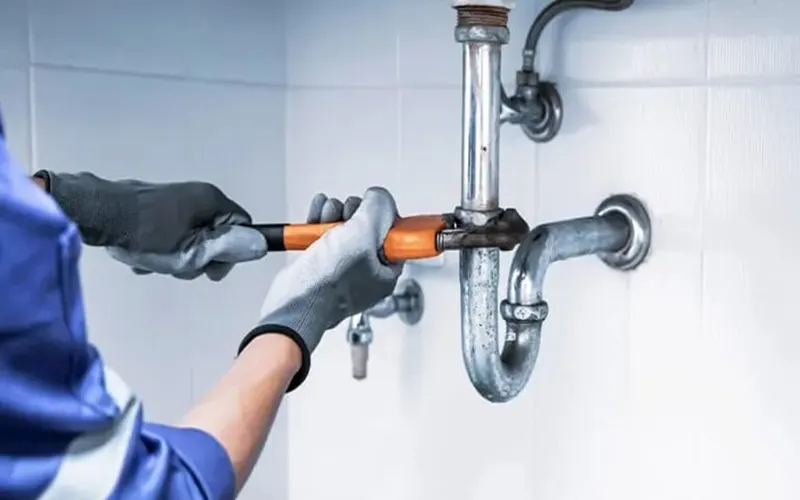
A plumber installs, repairs and maintains the pipes and plumbing systems that supply water and gas to homes and industrial sites. That includes fitting sinks and toilets, fixing damaged pipes and looking after water heaters.
Plumbers fit pipes, fix leaks, solve low-pressure problems, and repair toilets, showers, water heaters and sinks, using tools such as augers, hydro jets and pressure gauges.
Essential skills for a plumber
- Problem-solving: every fault is different, so a plumber must approach problems in a systematic way and find an effective solution.
- Technical skills: a deep understanding of plumbing systems and tools, from homes to complex commercial and industrial buildings, including tools such as wrenches and pipe cutters, and the safety procedures that protect everyone on the job.
- Customer service: plumbers deal directly with business owners, property managers and homeowners, so they need to explain problems clearly and offer accurate solutions, politely.
- Physical stamina and strength: the work involves heavy lifting, tight spaces and long hours on your feet, with good manual dexterity.
Key responsibilities
- Installation: fitting toilets and taps, laying pipes and connecting appliances such as washing machines and dishwashers. On new construction projects a plumber works from blueprints and needs a good understanding of building codes.
- Maintenance and repair: replacing worn washers and gaskets, repairing water heaters and replacing damaged pipes, after diagnosing the problem from the client's description.
- Inspection and diagnosis: inspecting plumbing systems to find problems and code violations, using equipment such as inspection cameras and pressure gauges to test for leaks.
How people become plumbers
- Education: a school diploma, and for many people a technical or trade school course covering plumbing codes, regulations, reading blueprints, safety practice and the theory of water supply.
- Apprenticeship: working under an experienced plumber, learning the trade on the job over several years and earning a wage. It covers subjects such as maths and physics.
- Certification and licence: requirements differ by location, but normally include an exam on the trade and local plumbing codes. Plumbers can also certify in a specific area of the trade.
OSHA standards in plumbing
OSHA has general industry standards (29 CFR Part 1910) and construction standards (29 CFR Part 1926). Which applies depends on whether the work is in an existing commercial setting or on a new construction site. Some examples:
- Compressed air safety (1910.242(b)): compressed air used for cleaning must be reduced to less than 30 psi.
- Pipe labelling (ANSI/ASME A13.1): a guideline for identifying hazardous materials in pipes, with labels near valves.
- Confined spaces (1910.146): work in tight areas needs special training.
Learn it at Career Dreams
In Mianwali, Career Dreams Technical Training Institute teaches plumbing installation, pipe fitting, maintenance and troubleshooting through hands-on training in its Plumber course. See the course page for the fee, duration and entry requirements.
Written by Career Dreams Technical Training Institute.