What Is a Ductman? (Job Overview)
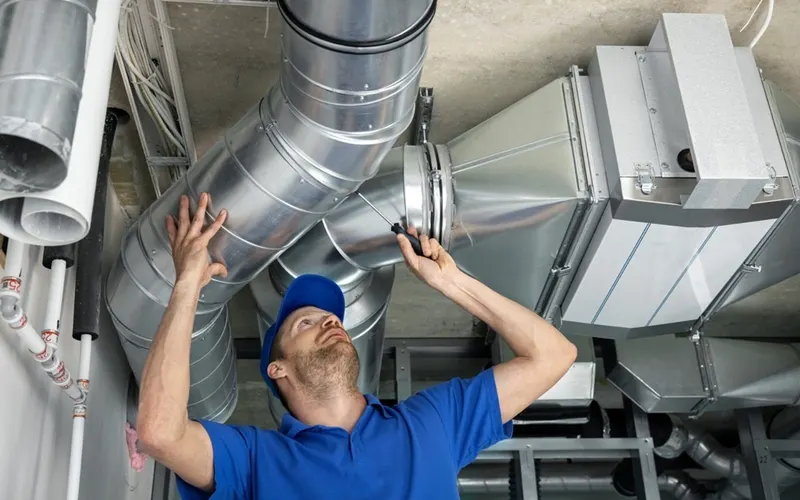
A ductman is a skilled construction worker who installs and assembles ductwork used in heating, ventilation, and air conditioning systems. In Gulf countries, ductmen commonly work on air conditioning and ventilation systems because buildings need reliable indoor cooling and air circulation. Employers may advertise similar positions under titles such as duct installer, HVAC ductman, sheet metal worker, or ducting technician. The exact job title and responsibilities depend on the company and project. A ductman works with HVAC (Heating, Ventilation and Air Conditioning) systems that distribute cooled or fresh air throughout a building. The ductwork connects air conditioning equipment to different rooms and spaces. Proper installation helps air move through the designed routes and can reduce leakage and performance problems. Ductmen may work on residential buildings, hotels, shopping centres, hospitals, airports, offices, industrial facilities, and large construction projects throughout the Gulf region.
What Does a Ductman Do?
A ductman reads installation drawings, measures work areas, prepares materials, and fits duct sections into the required positions. The worker may cut metal, assemble fittings, install supports, connect duct sections, seal joints, and check the completed installation. Some ductmen mainly install prepared sections at construction sites, while others also work in fabrication workshops where duct components are measured, formed, and assembled before delivery.
Where Do Ductmen Work in Gulf Countries?
Ductmen may work for mechanical contractors, HVAC installation companies, maintenance contractors, or construction firms. Projects can include new buildings, building extensions, commercial developments, and air conditioning upgrades. Saudi Arabia and the UAE have varied construction and infrastructure projects, while Qatar, Kuwait, Oman, and Bahrain also have residential, commercial, and industrial facilities that require HVAC services. Available jobs depend on current project demand, employer requirements, and the worker's experience.
Ductman vs. HVAC Technician: What's the Difference?
A ductman mainly focuses on fabricating, assembling, and installing the ducts that carry air around a building. An HVAC technician may have broader responsibilities, including inspecting equipment, troubleshooting cooling problems, servicing components, and repairing air conditioning systems. These roles can overlap, but duct installation experience does not automatically qualify a worker to perform every HVAC maintenance or repair task. Candidates should check the duties and qualifications listed in each vacancy.
Ductman Job Description and Daily Duties
The HVAC ductman job description in Gulf countries generally focuses on installing duct systems according to approved drawings, project specifications, and site instructions. A ductman checks dimensions, prepares materials, joins duct sections, installs supports, and helps complete the air distribution system. The worker must pay attention to the installation layout because incorrectly fitted ducts can cause air leakage, poor airflow, noise, and additional work for the project team. Daily tasks depend on the type of project and the stage of construction. One day, a ductman may install large rectangular ducts above a suspended ceiling. On another day, the worker may assemble smaller branches, fit air outlets, or replace damaged duct sections. These ductman duties and tasks require practical ability, teamwork, careful measurement, and safe use of tools. Supervisors may also assign material handling, inspection support, and housekeeping duties.
Main Ductman Job Responsibilities
A ductman's responsibilities include checking work instructions, confirming measurements, identifying the required materials, and installing duct sections in their planned positions. The worker must ensure that joints are properly connected and that supports are installed according to the approved design. Ductmen should report damaged materials, missing components, access problems, and drawing discrepancies to the supervisor before these issues affect other work.
Measuring, Cutting, and Assembling HVAC Ducts
Accurate measurements and marking help ensure that each duct section fits the design. Ductmen use measuring tapes, squares, markers, and suitable cutting equipment to prepare materials. They then assemble the sections using the specified connections and fittings. Checking dimensions before cutting helps reduce material waste and prevents installation delays. Workers must follow workshop or site procedures when handling sharp metal and operating powered tools.
Installing Ductwork, Hangers, and Supports
During HVAC ductwork installation, workers position duct sections and secure them with approved hangers, brackets, and supports. The installation must follow the project drawings and applicable specifications. Proper support helps prevent movement, sagging, and damage to connections. Ductmen also need to check clearances around electrical cables, pipes, structural elements, ceilings, and other building services before fixing the ductwork in place.
Sealing Joints and Checking for Air Leaks
Duct joints must be sealed using materials approved for the particular system. Depending on the design, these may include sealants, tapes, gaskets, or specified connection products. Workers should follow the manufacturer's instructions and project requirements. They must also check for visible gaps, loose connections, damaged insulation, and other installation defects. Any required leakage testing should be completed according to the project procedure and by appropriately trained personnel.
Inspecting Completed Duct Installations
Before the installation moves to the next construction stage, ductmen may check alignment, supports, connections, and visible damage. They may work with an HVAC foreman, quality inspector, engineer, or commissioning team during inspections. Some projects require additional leakage or performance checks. Workers should report defects promptly and correct them under the supervisor's instructions before the work is approved.
Ductman Skills and Qualifications Required
Employers in Gulf countries commonly look for practical installation ability, safe work habits, and basic technical knowledge. Important ductman skills and qualifications include accurate measuring, understanding installation drawings, using tools correctly, identifying duct materials, and working effectively with a crew. Some companies recruit helpers who can learn under supervision, while others prefer experienced ductmen who can work with less assistance on commercial or industrial projects. Formal requirements vary by employer, project, and destination country. A trade course or technical certificate may strengthen an application, but candidates should not assume that one qualification is accepted by every Gulf employer. Relevant experience, a practical assessment, previous project references, and the ability to understand instructions can also matter. Applicants should check the vacancy requirements before paying for training or arranging recruitment.
Essential Technical Skills for Duct Installers
A duct installer needs to measure accurately, identify common duct fittings, handle materials safely, and use hand and power tools correctly. The worker should understand basic duct connections, supports, and sealing methods. More advanced positions may require experience with fabrication machinery, insulation, commercial installation layouts, or quality inspections. Employers may also expect workers to recognise installation problems and report them before they affect the finished system.
Education and Entry-Level Requirements
Some employers accept candidates with basic education and a willingness to learn, especially for helper positions. Others prefer a secondary-school qualification, trade training, or previous construction experience. Technical classes in HVAC, sheet metal work, or mechanical installation can provide a useful foundation. Because employers set different standards, candidates should read the job advertisement carefully and confirm whether a certificate, experience record, or practical test is required.
Blueprint Reading and Basic Math Skills
Basic mathematics helps ductmen calculate lengths, compare dimensions, and check measurements. Blueprint reading helps them follow duct routes and identify connection points. Workers who understand measurement units, angles, and drawing symbols can complete tasks more accurately. If a dimension is unclear or a site condition does not match the plan, they should ask the supervisor rather than guess.
Communication, Teamwork, and Attention to Detail
Ductwork installation is a team activity. Workers need to understand instructions, report problems clearly, and coordinate with colleagues in busy work areas. Attention to detail is important because an incorrect measurement or loose connection can lead to rework. Employers also value punctuality, reliability, willingness to learn, and consistent compliance with workplace safety procedures.
Previous Experience and Trade Tests
Some employers recruit ductman helpers and provide supervised training. Other vacancies require candidates to have previous experience with sheet metal duct installation or commercial HVAC projects. A ductman trade test may be used to assess practical abilities such as measuring, identifying tools, assembling sections, or understanding drawings. The test format and required skills depend on the employer. Candidates should confirm the assessment requirements before attending.
Tools and Equipment Used by a Ductman
The ductman tools and equipment required for a job depend on the duct material, installation method, and project stage. Common tools include measuring tapes, squares, markers, snips, drills, fastening tools, and equipment used to connect or seal duct sections. In fabrication workshops, workers may also use specialised cutting and forming machines. Tools should be inspected before use, and powered equipment must be operated only by workers who have received the required training. Ductmen may handle ladders, access platforms, material carts, lifting equipment, and devices used to position large duct sections. Cutting and bending tools help prepare metal, while drilling equipment may be used for approved connections. Workers use specified fasteners and duct supports to secure the installation. Suitable gloves, eye protection, safety footwear, and other required PPE help reduce common workplace risks.
Measuring and Marking Tools
Measuring tapes, rulers, squares, levels, and markers help workers mark cutting lines and check alignment. Accurate measurements reduce waste and make assembly easier. Before cutting material, ductmen should compare their measurements with the latest approved drawings and confirm the required dimensions. This simple step can prevent fitting problems and unnecessary delays during installation.
Sheet Metal Cutting and Forming Equipment
Depending on the workshop, ductmen may use hand snips, powered shears, brakes, or other equipment to form sheet metal into the required sections and fittings. Workers must follow machine safety procedures and use the correct guards and protective equipment. Metal edges can be sharp, and powered machinery can cause serious injuries if used incorrectly. Specialised equipment should only be operated by trained personnel.
Drills, Fasteners, and Duct Installation Tools
Drills and fastening tools help workers connect components and attach approved supports. The correct fastener depends on the material, connection design, and project specifications. Workers should not replace specified hardware with an unsuitable alternative. They must also check that the completed supports and connections meet the requirements given in the installation drawings.
Duct Sealing and Insulation Materials
Installers may use approved sealants, gaskets, tapes, and insulation products to complete the system. Duct insulation helps control heat transfer and can reduce condensation when the correct materials and installation methods are used. Workers should follow product instructions and protect insulation from moisture and physical damage. Some projects require specialised fire-rated products or sealing systems, so materials must match the approved specification.
Personal Protective Equipment (PPE)
Typical PPE may include safety glasses, task-appropriate gloves, safety footwear, hearing protection, and hard hats where required. Additional protection may be needed depending on the material, equipment, or site conditions. Workers should follow the project's safety procedures and supervisor instructions. PPE does not replace proper training, machine guards, safe lifting methods, or approved fall-protection systems.
Types of HVAC Ductwork and Ductman Jobs
Ductmen work with different types of ductwork, each with its own installation requirements. Common systems include galvanized steel ducts, rectangular and round ducts, flexible ducts, and insulated duct systems. The appropriate design depends on airflow requirements, available space, noise control, building use, and project specifications. Workers must install the selected system according to the approved design rather than changing materials or dimensions without authorisation. Residential projects may involve smaller systems in houses and apartments. Commercial projects can include larger duct networks in hotels, shopping malls, offices, schools, and hospitals. Industrial facilities may require ventilation systems designed for specific processes and operating conditions. A ductman's previous experience can help when moving between project types, but additional training may be needed for unfamiliar systems or specialised installation requirements.
Galvanized Steel and Sheet Metal Ductwork
A galvanized iron duct, often called a GI duct in Gulf workplaces, is made from steel with a protective zinc coating. It is used in many air conditioning and ventilation applications because it can be fabricated into different shapes and sizes. Ductmen must handle metal carefully, check dimensions, and use the specified connections and sealing methods. The exact material and thickness depend on the project design.
Rectangular and Round Duct Systems
Rectangular ducts can fit into certain ceiling spaces and building layouts, while round ducts may be selected for particular airflow and installation requirements. Designers determine the shape and dimensions based on system performance and available space. Ductmen must use the correct fittings and follow the approved drawings. Changing a duct size or route without approval may affect airflow and installation quality.
Flexible and Insulated Ductwork
Flexible duct is often used for shorter connections between a main duct and an air outlet when the system design allows it. Installers must avoid excessive bends, compression, and unsupported lengths because these can restrict airflow. Insulated ductwork helps control heat transfer and condensation. Workers should follow the product's installation instructions and ensure that insulation is not damaged during handling.
Residential vs. Commercial Duct Installation
Residential projects may involve smaller duct networks installed in ceiling spaces, utility rooms, or other designated areas. Commercial projects often require larger systems, multiple air distribution zones, and coordination across several construction teams. Hospitals, hotels, malls, and airports may also have specific inspection and fire protection requirements. Workers with commercial experience may be suited to more complex projects, depending on their skills and training.
Duct Fabrication, Installation, and Maintenance Roles
Duct fabrication involves measuring, cutting, forming, and assembling duct sections, often in a workshop. Installation workers fit those sections into the building and connect them to the designed system. Some workers specialise in fabrication, while others perform site installation or both. Ductwork maintenance can involve inspecting visible sections, repairing damaged connections, or replacing components within the worker's training and assigned responsibilities.
Ductman Salary and Job Opportunities in Gulf Countries
Ductman salary in the Gulf region depends on the country, employer, experience, project type, working hours, and contract benefits. Entry-level helpers generally have different earning opportunities from experienced ductmen who can read drawings, install complex systems, or lead a small team. Commercial and industrial projects may have different requirements from residential work. There is no single salary figure that accurately represents every ductman position across all six Gulf countries. When comparing job offers, consider the complete compensation package rather than the basic salary alone. Some employers may provide accommodation, transport, medical insurance, annual leave, or travel arrangements, while other contracts may have different terms. Overtime and working schedules can also affect total earnings. Always confirm the salary and allowances in the written contract and check the current terms before accepting an offer.
Ductman Salary in Saudi Arabia
Saudi Arabia has residential, commercial, industrial, and infrastructure projects that require HVAC installation and maintenance services. Ductman vacancies may be offered by mechanical contractors, HVAC companies, and construction firms. Salary depends on experience, location, employer, project requirements, and whether accommodation and transport are included. Candidates should compare current vacancies and confirm the complete compensation package rather than relying on an unverified salary estimate.
Ductman Salary in the UAE
The UAE has HVAC work across residential developments, offices, hotels, retail centres, hospitals, and industrial facilities. Dubai, Abu Dhabi, and other emirates may offer different job opportunities depending on current construction and maintenance demand. Experienced ductmen with commercial installation skills may qualify for roles with broader responsibilities, but pay and benefits vary by employer. Applicants should confirm working hours, accommodation, transport, and overtime terms.
Ductman Salary in Qatar, Kuwait, Oman, and Bahrain
Qatar, Kuwait, Oman, and Bahrain also have construction, property maintenance, commercial, and industrial facilities that use HVAC systems. Available ductman jobs depend on project activity, employer requirements, and the local labour market. Salary packages can vary significantly between companies, so candidates should compare the written terms carefully. The country name alone is not enough to determine which offer provides better overall value.
Hourly Pay, Monthly Salary, and Overtime
Gulf construction contracts may specify a monthly salary, while other arrangements may calculate pay differently. Workers should confirm the basic salary, payment schedule, normal working hours, overtime rules, weekly rest days, and leave entitlements. Overtime should not be assumed unless the contract and applicable rules support it. A higher advertised salary may not provide better value if essential expenses are not covered.
Salary and contract factor What to confirm
- Basic salary The amount written in the employment contract
- Overtime Eligibility, calculation method, and approval procedure
- Accommodation Whether employer-provided housing is included
- Transport Whether transport or a transport allowance is provided
- Medical insurance Coverage and applicable conditions
- Annual leave Leave entitlement and travel arrangements
- Working hours Normal schedule, rest days, and shift requirements
- Recruitment costs Which costs are legally payable by the employer / worker
Entry-Level vs. Experienced Ductman Pay
A beginner may start as a ductman helper while learning tool use, material handling, measuring, and basic installation. With experience, a worker may progress to independent installation, complex duct layouts, fabrication, or team leadership. Higher pay may be available when a worker demonstrates strong technical skills and can complete tasks with less supervision. However, salary progression is not guaranteed and depends on the employer, contract, and market conditions.
Written by Career Dreams Technical Training Institute.